

Introduction:
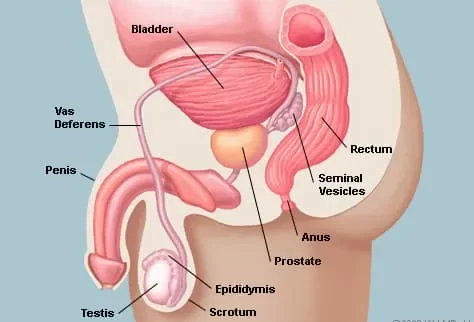
Male infertility is a condition that affects a significant number of couples worldwide. It occurs when a man is unable to impregnate his partner despite regular, unprotected sexual intercourse. One of the crucial aspects of diagnosing male infertility is laboratory investigations. These tests are essential for identifying the underlying causes of infertility and guiding appropriate treatment. In this article, we will delve into the various laboratory investigations used to assess male infertility.
- Semen Analysis:
- Semen analysis is the cornerstone of male infertility testing.
- It assesses various parameters of semen quality, including sperm count, motility, morphology, and volume.
- Abnormalities in these parameters can provide insights into the causes of infertility, such as low sperm count (oligospermia), poor motility, or abnormal sperm shape (teratozoospermia).
- Hormonal Assays:
- Hormonal imbalances can significantly impact male fertility.
- Blood tests can measure hormone levels, including testosterone, luteinizing hormone (LH), follicle-stimulating hormone (FSH), and prolactin.
- Abnormal hormone levels may indicate conditions like hypogonadism or hyperprolactinemia, which can contribute to infertility.
- Testicular Biopsy:
- In cases of severely reduced sperm count (azoospermia), a testicular biopsy may be performed.
- This procedure involves the removal of a small piece of testicular tissue to assess sperm production.
- It helps differentiate between obstructive azoospermia (where sperm production is normal but blocked) and non-obstructive azoospermia (where sperm production is impaired).
- Genetic Testing:
- Genetic abnormalities can contribute to male infertility.
- Genetic tests can identify conditions like Klinefelter syndrome, Y chromosome deletions, or cystic fibrosis gene mutations.
- Understanding these genetic factors can help guide treatment options and provide insights into the risk of passing on infertility to offspring.
- Anti-Sperm Antibodies:
- Sometimes, the immune system mistakenly produces antibodies against a man’s sperm.
- Blood tests can detect the presence of anti-sperm antibodies, which may impair sperm function.
- Treatments such as immunosuppressive therapy or assisted reproductive techniques may be considered.
- Post-Ejaculatory Urinalysis:
- In cases of retrograde ejaculation (semen flowing backward into the bladder), sperm may be found in the urine.
- A post-ejaculatory urinalysis can confirm this condition and guide treatment decisions.
Conclusion:
Laboratory investigations play a crucial role in diagnosing male infertility. These tests help identify the underlying causes of infertility, allowing healthcare providers to develop personalized treatment plans. Timely and accurate diagnosis is essential for couples struggling with male infertility, as it opens the door to various treatment options, including assisted reproductive techniques like in vitro fertilization (IVF) and intracytoplasmic sperm injection (ICSI). If you and your partner are facing fertility challenges, consulting a fertility specialist for comprehensive laboratory testing is a vital first step toward building the family you desire.
What are you waiting for? Visit us today @ JOGNA MEDICAL CONSULT AND DIAGNOSTICS TEFCON MALL LOKOGOMA, ABUJA. This and more shall be discussed.


