

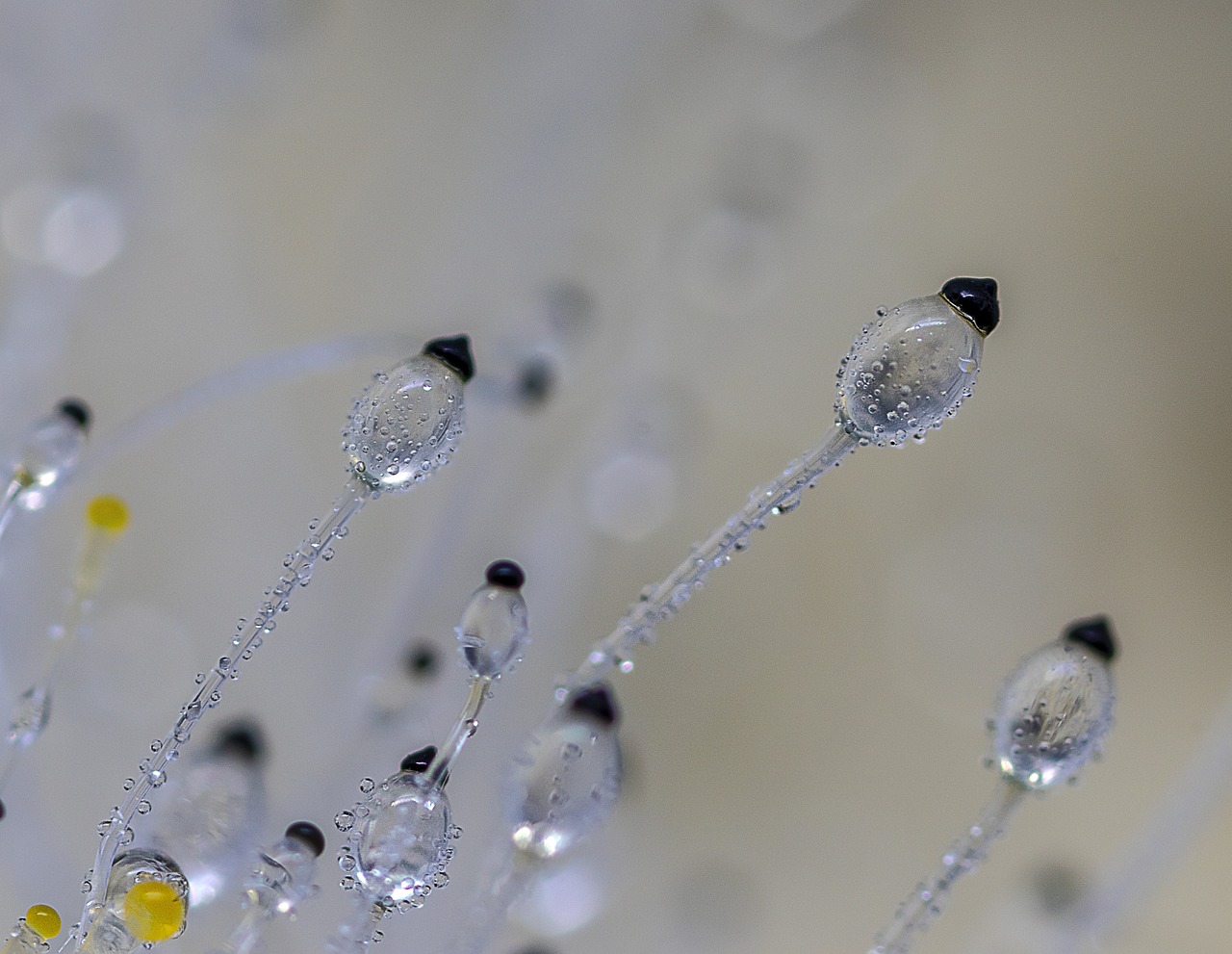
Fungi Identification and Sensitivity
Fungi are a diverse group of organisms that play essential roles in ecosystems and have significant impacts on human health, agriculture, and industry. The identification and sensitivity testing of fungi are crucial for various fields, including medicine, environmental science, and agriculture. This process involves recognizing and classifying different fungal species and determining their susceptibility or resistance to various treatments or environmental conditions.
- Fungi Identification:
Fungi can be identified through various methods, including macroscopic and microscopic observations, biochemical tests, and molecular techniques. Here are some common approaches used in fungal identification:
a) Macroscopic Observation: This involves examining visible characteristics such as color, shape, size, texture, and growth patterns of the fungal colony on culture media. These observations can provide preliminary information about the fungal species.
b) Microscopic Observation: Microscopic examination of fungal structures, such as spores, hyphae, and fruiting bodies, is crucial for accurate identification. Staining techniques, like lactophenol cotton blue, are often used to enhance visibility and highlight key morphological features.
c) Biochemical Tests: Biochemical tests can help differentiate between closely related fungal species by assessing their metabolic capabilities. These tests may involve evaluating the ability to utilize specific carbon sources or the production of certain enzymes.
d) Molecular Techniques: DNA-based methods, such as polymerase chain reaction (PCR), DNA sequencing, and DNA fingerprinting, have revolutionized fungal identification. By comparing genetic markers, such as the internal transcribed spacer (ITS) region, scientists can accurately determine the species or even subspecies of fungi.
- Fungi Sensitivity Testing:
Fungi sensitivity testing, also known as antifungal susceptibility testing, is performed to assess the effectiveness of antifungal drugs or to understand the response of fungi to different environmental conditions. Sensitivity testing can help guide appropriate treatment strategies and identify emerging drug resistance. Here are some common methods used for fungal sensitivity testing:
a) Disk Diffusion Method: This method involves placing antifungal disks on an agar plate inoculated with the fungal isolate. The growth inhibition zone around the disks indicates the sensitivity or resistance of the fungus to the tested drug. This method is simple and widely used but may have limitations in accurately determining minimum inhibitory concentrations (MICs).
b) Broth Dilution Method: In this method, serial dilutions of antifungal agents are prepared in liquid media, and the fungal isolate is incubated in these dilutions. The lowest concentration that inhibits visible growth is considered the MIC. This method provides more accurate MIC values but is labor-intensive and requires specialized equipment.
c) Etest Method: The Etest combines aspects of both the disk diffusion and broth dilution methods. It uses a plastic strip impregnated with a gradient of an antifungal agent. The strip is placed on the agar surface inoculated with the fungus, and the MIC is read where the growth inhibition intersects the strip. The Etest provides a convenient and reproducible MIC determination.
d) Molecular Methods: Molecular techniques, such as real-time PCR and DNA sequencing, can also be employed for assessing antifungal sensitivity. These methods analyze specific genetic markers or mutations associated with drug resistance to predict sensitivity or resistance to antifungal drugs.
In conclusion, fungi identification and sensitivity testing are essential for understanding the biology, ecology, and pathogenicity of fungi. These processes rely on a combination of macroscopic and microscopic observations, biochemical tests, and molecular techniques to accurately identify fungal species and determine their susceptibility or resistance to drugs or environmental conditions. These insights aid in the development of effective treatment strategies and the management of fungal infections in various fields.




I was excited to uncover this web site. I want to to thank you for your time for this wonderful read!! I definitely appreciated every bit of it and I have you book-marked to look at new things in your site.