

Glycated hemoglobin, often referred to as HbA1c, is a crucial marker in assessing and managing diabetes. It plays a pivotal role in monitoring long-term blood sugar levels and evaluating the effectiveness of diabetes treatment plans. In this article, we delve into what glycated hemoglobin is, why it’s important, how it’s measured, and its significance in diabetes management.
What is Glycated Hemoglobin?
Glycated hemoglobin is a form of hemoglobin – the protein responsible for carrying oxygen in our blood – that has sugar molecules (glucose) attached to it. This process, known as glycation, occurs when blood sugar levels are elevated over an extended period. Unlike regular hemoglobin, glycated hemoglobin is not easily reversible and persists for the lifespan of a red blood cell, which is around 2 to 3 months.
Importance in Diabetes Management:
For individuals with diabetes, maintaining stable blood sugar levels is essential to prevent complications. HbA1c serves as a valuable indicator of the average blood sugar levels over the past 2 to 3 months. This means it provides a comprehensive view of glucose control beyond the day-to-day fluctuations. Medical professionals use this information to gauge the effectiveness of diabetes treatment plans, make necessary adjustments, and assess the risk of long-term complications.
Measuring HbA1c:
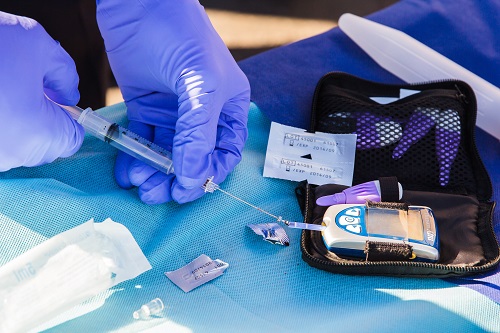
The HbA1c test involves a simple blood draw, usually performed at a clinic or hospital laboratory or stand alone laboratory. The blood sample is then analyzed to determine the percentage of glycated hemoglobin in relation to total hemoglobin. The result is expressed as a percentage. Generally, a lower percentage indicates better blood sugar control, while a higher percentage suggests elevated average blood sugar levels.
Significance in Diabetes Management:
- Treatment Evaluation: Physicians use HbA1c levels to evaluate the effectiveness of diabetes management plans. If the HbA1c value is consistently high, it may signal that adjustments in medication, diet, or lifestyle are needed.
- Goal Setting: Medical guidelines often set target HbA1c ranges based on individual factors like age and the presence of other health conditions. These ranges provide goals for individuals to work towards in maintaining healthy blood sugar levels.
- Risk Assessment: Elevated HbA1c levels are associated with a higher risk of diabetes-related complications, such as nerve damage, kidney problems, and cardiovascular diseases. Monitoring HbA1c helps assess this risk and take preventative measures.
- Long-term View:
Unlike self-monitoring blood glucose levels, which provide a snapshot of the moment, HbA1c offers insight into the overall blood sugar management over a more extended period. This perspective is crucial for making informed medical decisions.
Conclusion:
Glycated hemoglobin, or HbA1c, serves as a vital tool in diabetes management. Its ability to provide a long-term view of blood sugar control helps medical professionals tailor treatment plans, set goals, and assess risks accurately. For individuals with diabetes, understanding and actively managing HbA1c levels can significantly contribute to better health outcomes and an improved quality of life. Regular monitoring and collaboration with healthcare providers remain essential in the ongoing battle against diabetes and its associated complications.
When last did you carryout this very important test?
Visit us today at JOGNA MEDICAL LABORATORY TEFCON plaza Lokogoma, Abuja and get yourself tested.
Looking forward to seeing you.


Hey! Someone in my Myspace group shared this website with us so I came to look it over.
I’m definitely enjoying the information. I’m bookmarking and will be tweeting this to
my followers! Terrific blog and brilliant style and design.